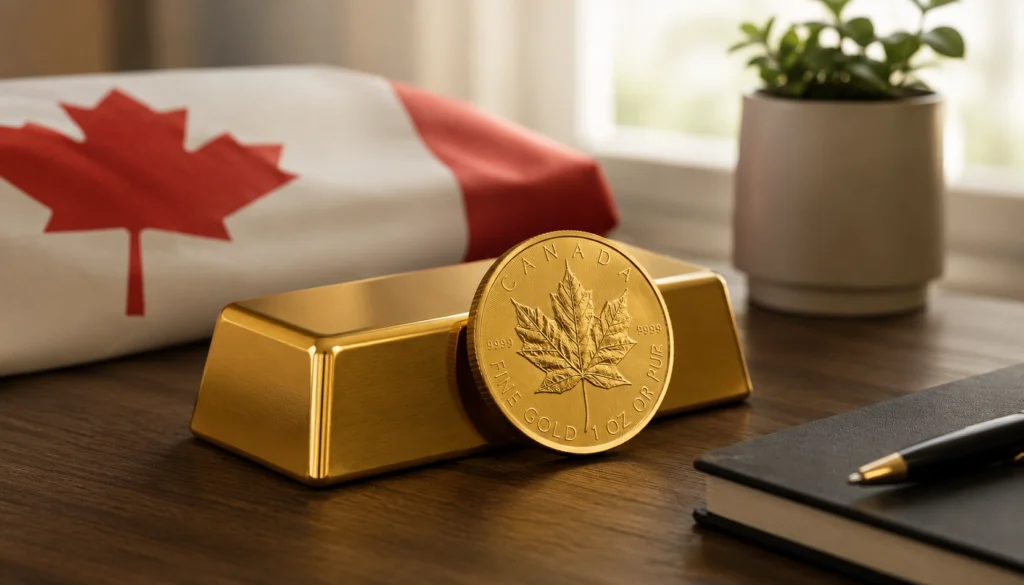
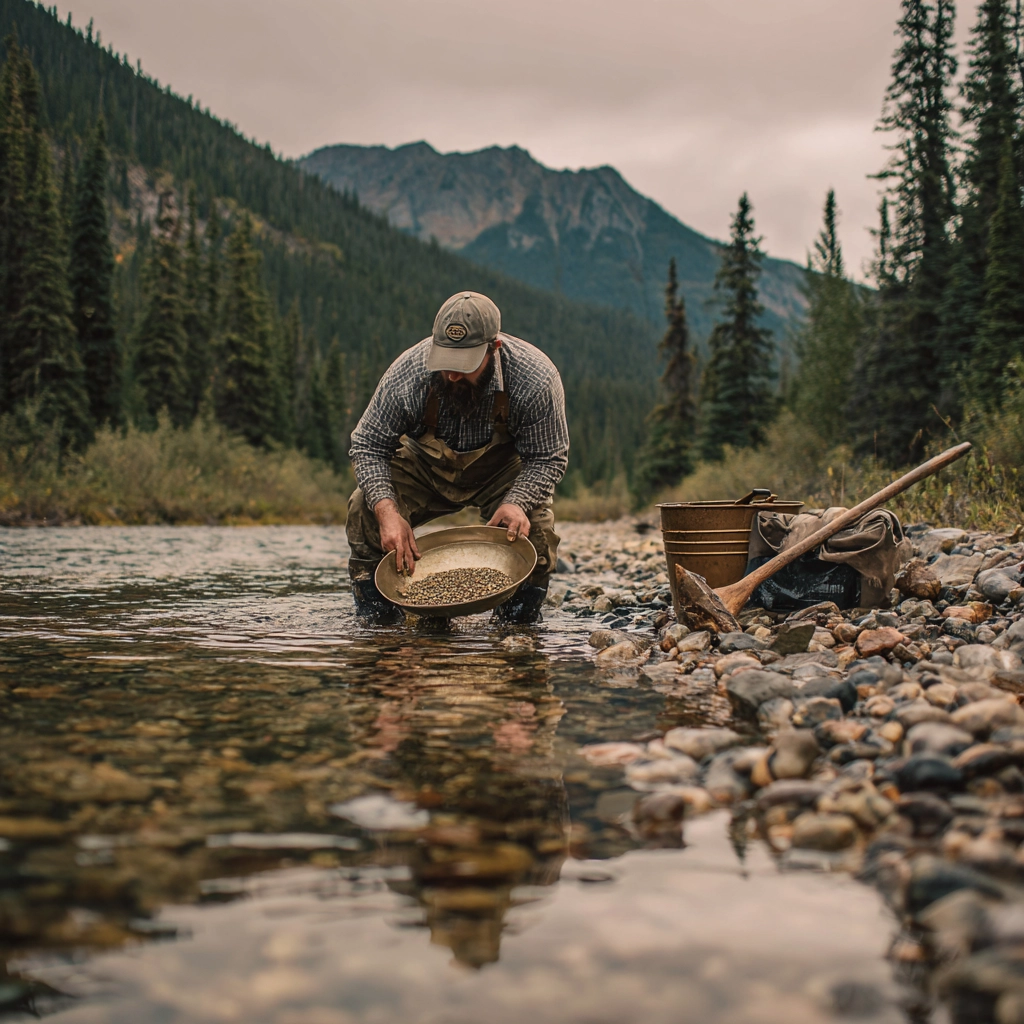
Canada has one of the richest gold mining histories in the world. The country is known for gold-bearing rivers, streams, and creeks suitable for individual panning, along with commercial exploration projects. In 2026, the question “Where can you find gold in Canada?” is rising among investors and individual planners.
This article helps you explore potential gold-mining provinces in Canada, understand local regulations for panning activities, and learn about modern mining methods using advanced technology. Also, it contains useful tips for finding gold across different areas of the country and complying with safety regulations.
Key Takeaways
- Ontario, Quebec, British Columbia, Yukon, and the Northern Territories host major gold deposits in Canada.
- Modern mining methods, including AI-assisted analysis, drone magnetic surveys, and 3D modelling, are yielding better outcomes.
- Large-scale commercial gold exploration projects and individual panning activities must comply with local provincial rules.
- Even low-grade gold is highly valued due to the high price of the precious metal worldwide.
- Gold exploration continues to grow in Canada in 2026 with several ongoing projects and fresh discoveries.
Major Gold-Producing Regions in Canada
Some of the most productive gold belts for the majority of commercial gold output in Canada are as follows.
Ontario Gold Belt
Ontario is considered Canada’s largest gold-producing province. It has been a gold mining hub for over a century, as it hosts some of the most famous mining towns, including Timmins, Red Lake, and Kirkland Lake.
The Golden Mile in Timmins is one of the richest gold deposits in the world. It has produced millions of ounces of gold since its discovery. The Red Lake district is another area known for high-grade gold. The rocks present in this region contain a lot of gold in a small amount of material.
The Abitibi Greenstone Belt stretches from Ontario into Quebec as one of the richest gold-bearing areas on Earth. Even in 2026, both active mines and new exploration projects are operating across this belt.
Quebec Mining Areas
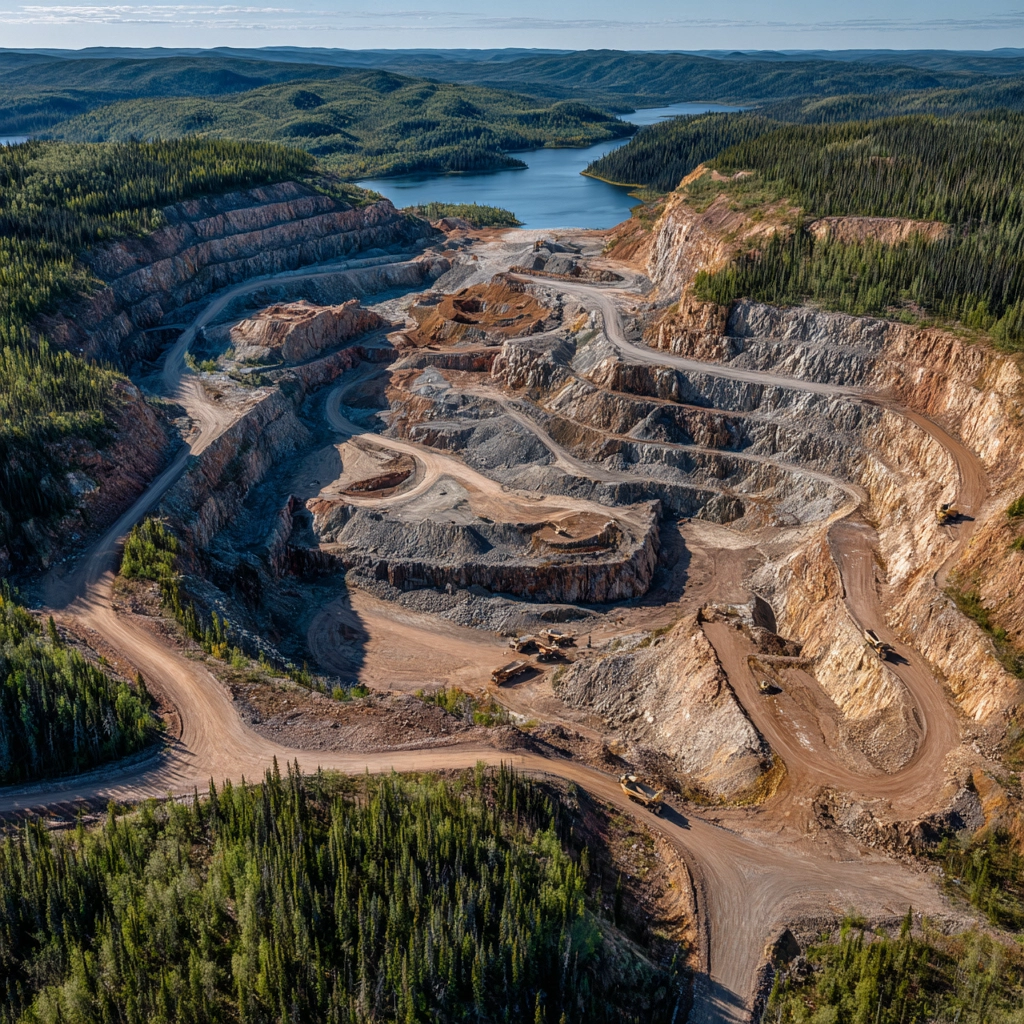
Quebec ranks second in Canadian gold production. The province has a long mining history and continues to attract investment. The Quebec side of the Abitibi greenstone belt region is full of active mines.
There are two historically renowned gold mining centres named Val-d’Or and Rouyn-Noranda that are still producing gold today. These towns are important hubs for industry due to continuous gold mining.
In addition to this, many abandoned mine sites also exist across Quebec, where the government has clear guidelines to protect both people and the environment. Following local rules, you may get permission for recreational gold panning near these old sites under certain circumstances.
British Columbia Gold Zones
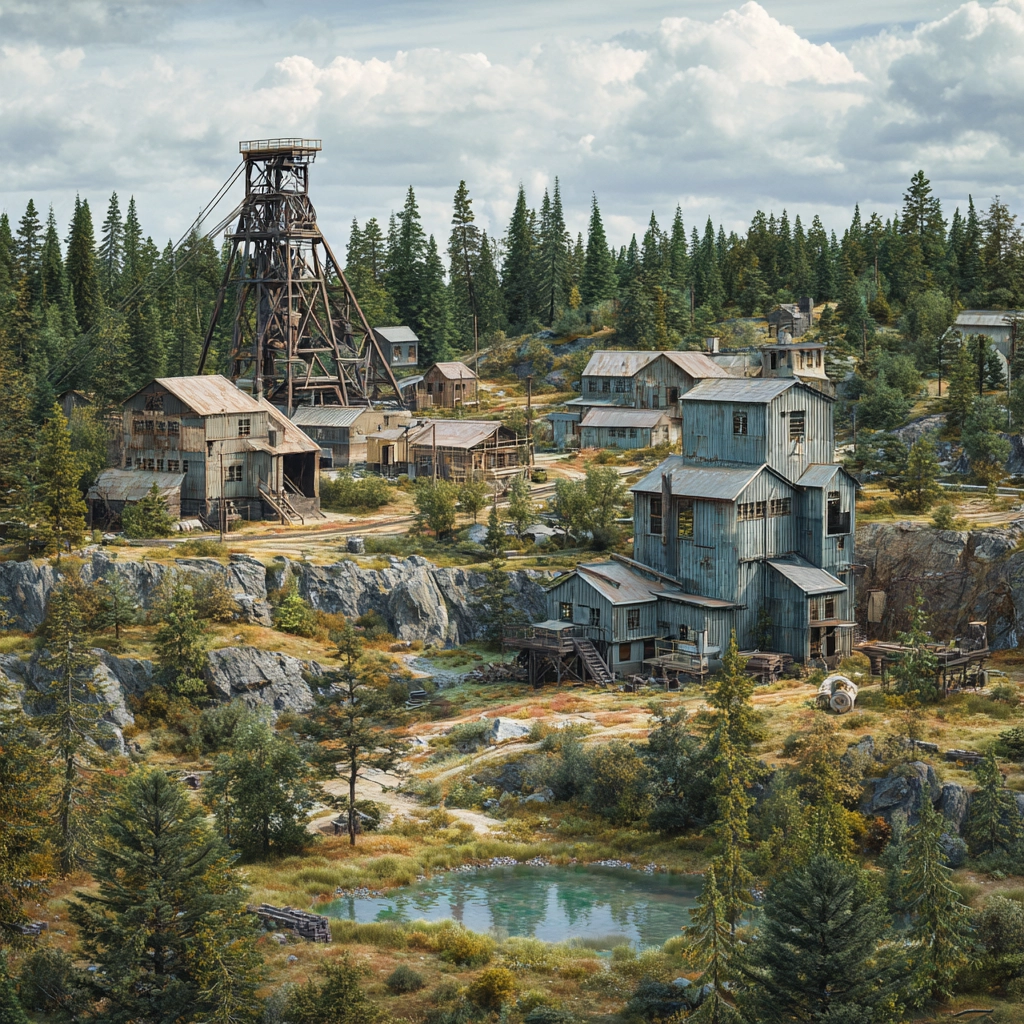
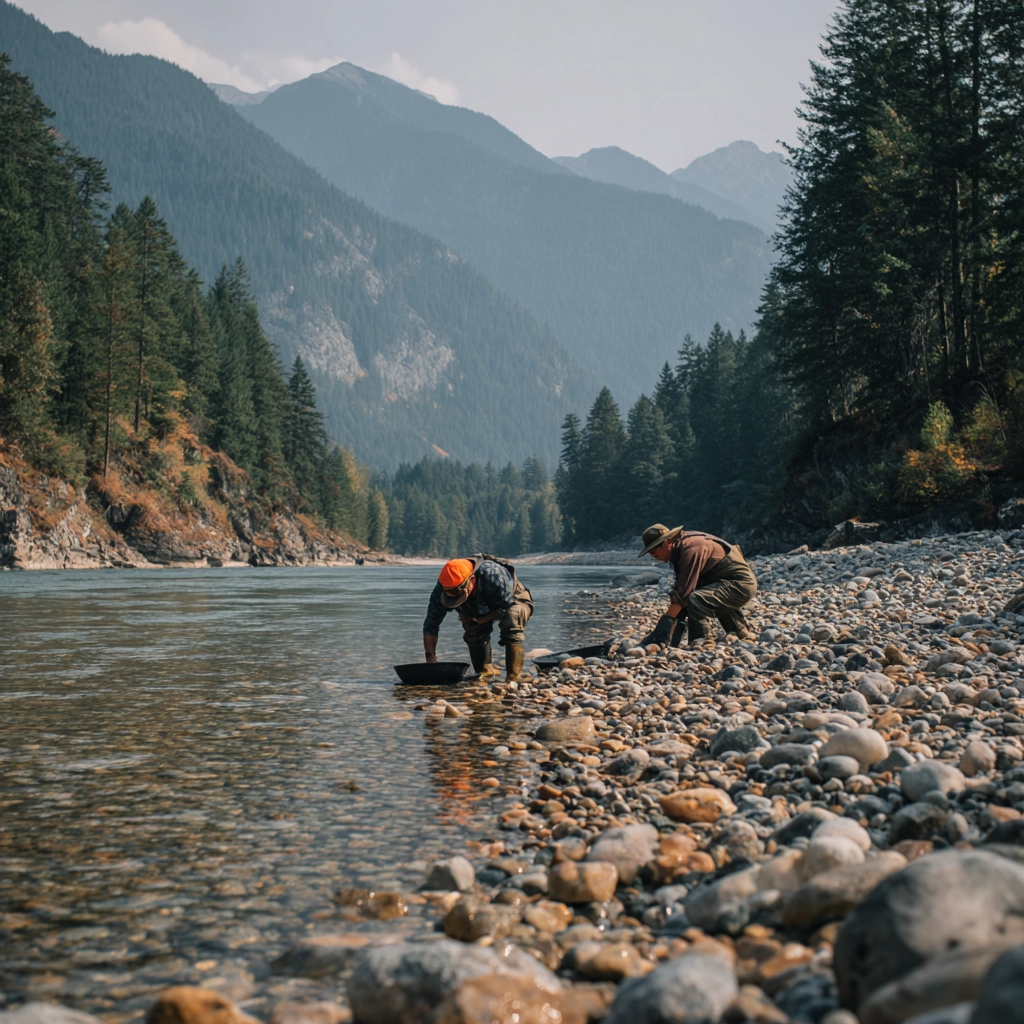
British Columbia is famous for placer gold. Placer gold is found in river and creek sediments. This type of gold was the centre of the famous Cariboo Gold Rush in the 1860s, and it is still a popular destination for prospectors.
Another notable hub for producing placer gold in British Columbia is the Fraser River. It has produced large amounts of gold over the past years. Also, many small creeks flowing into the Fraser still contain gold today.
Industrial and recreational gold panning are also popular across this province in 2026. You may find people panning for gold along many rivers and creeks on weekends. However, this may require getting any required permits following provincial rules.
Yukon and Northern Territories
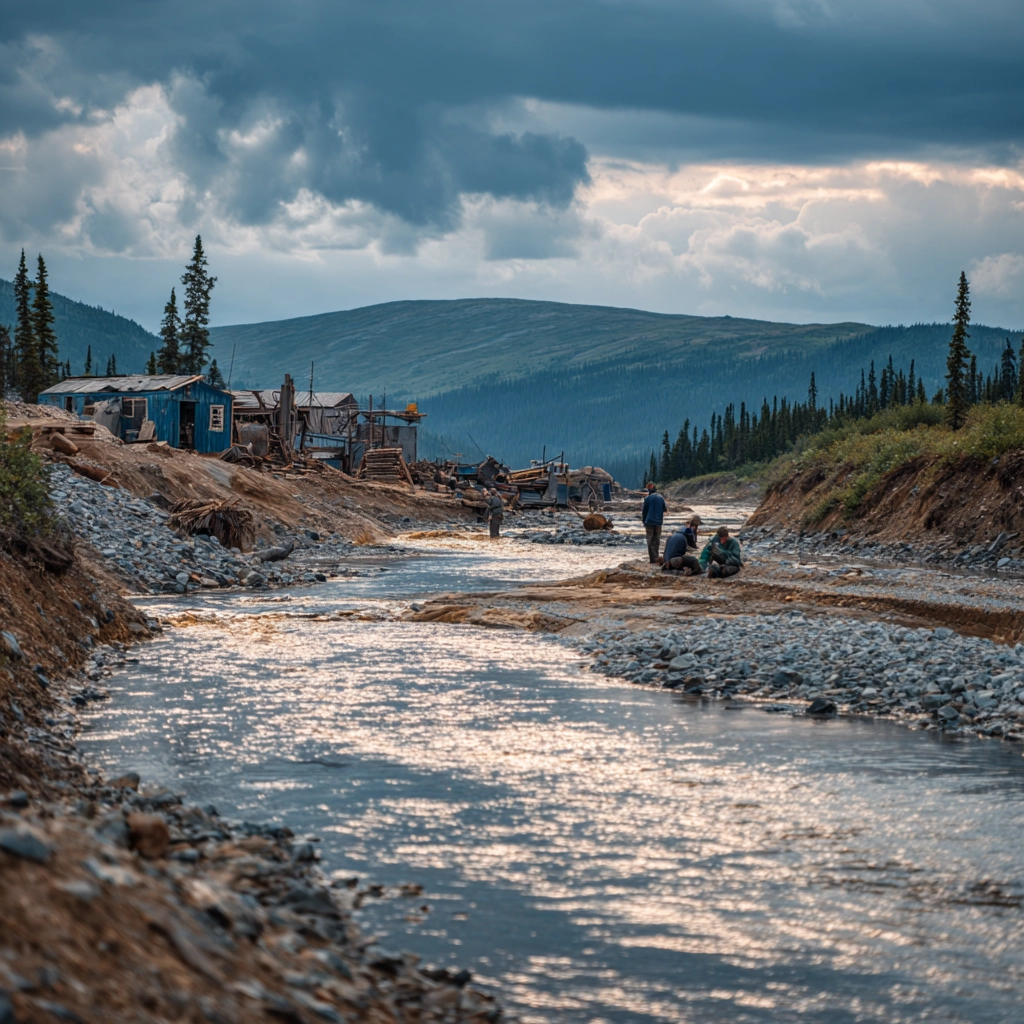
The Klondike Gold Rush of the late 1800s in Yukon makes it a legendary gold region. Dawson City is still the heart of gold mining in the Yukon. Some small-scale miners and hobbyists work the creeks that flow into the Klondike River every summer.
Placer mining continues in the Dawson City area and nearby goldfields. Some of these operations are commercial. Also, recreational panning is allowed in certain areas requiring official permits.
The Northwest Territories and Nunavut also contain significant gold deposits, but access to these regions is challenging. This is because the weather in these areas is harsh and the land is remote. However, new mines are being developed there with ongoing exploration projects.
How is Gold Found in Canada in 2026?
Cutting-edge technology has assisted gold exploration techniques in the modern era.
Modern Mining Methods
The introduction of modern mining methods has improved gold exploration, production, and mining efforts with better outputs. These methods are being adopted in Canada in 2026, such as:
- Commercial mining companies in Canada use geological surveys, geochemical sampling, and geophysical imaging to identify gold deposits.
- Drilling programmes then confirm the presence and grade of gold.
- Open-pit and underground mining extract the ore.
- The ore is then processed using gravity separation, cyanidation, or flotation.
Placer Mining in Rivers and Streams
Another widely used technique to recover gold from riverbeds and creek sediments in Canada is placer mining. Some of the important key considerations for placer mining include:
- The method is applied to flowing water using gravity to separate gold from lighter sand or gravel.
- Both small-scale operators and individuals still use sluice boxes, highbankers, and pans for placer mining.
- Placer mining is best in late summer and early autumn when water levels are low, and more gravel bars are exposed.
New Exploration Technology
New exploration technologies have revolutionised gold exploration methods. As a result of these, discoveries are still being made across Canada in 2026. Some of the leading tactics used by commercial gold explorers include:
- AI-powered data analysis is used to scan decades of geological data to identify undiscovered gold deposits.
- Drone magnetic surveys are used to detect underground rock formations without ground disturbance.
- 3D geological modelling helps track underground rock layers and target drilling exactly where gold is most likely to be found.
Can You Still Find Gold as an Individual?
Yes, you can still find gold as an individual in Canada in 2026. Recreational gold panning is legal in many provinces, which may require permits as per local rules. However, the practice will primarily not make you rich. Instead, finding small flakes of gold is still exciting and rewarding.
Recreational Gold Panning in Canada
Recreational gold panning is allowed in certain regions across Canada following local regulations. Gold panning is a low-cost activity for beginners, requiring only a pan, a shovel, and access to a gold-bearing stream. You can pan for gold as a hobbyist, especially during weekends or summer vacations.
Permits and Legal Requirements
The legal requirements for gold panning vary across provinces. If you plan to go to any region, understand these rules and follow them to avoid fines or face any legal trouble. Let’s take a glance at provincial requirements across Canada:
Ontario
To carry out mining processes in Ontario, a prospector’s licence is required for any mineral removal, including panning. The licence is inexpensive and can be obtained online directly from the Mining Lands Administration System portal (MLAS). For clear guidelines, track local government rules complying with the Mining Act.
Quebec
Recreational panning is allowed in designated areas only, following mining regulations set as Exclusive Exploration Rights (EER) in Quebec. Individual planners and commercial organisations require special permits and licences to find gold in these areas, taking safety regulations into consideration. However, it is wise to always check with the provincial government for approved locations and any permit requirements.
Yukon
A placer mining claim or written permission from a claim owner is required to pan in Yukon. Panning on public land without a claim is generally not allowed in the region. The local government of the province provides an official permit authorisation guide to the locals to arrange mining activities accordingly. Anyone planning to pan in Yukon must understand specific government regulations.
British Columbia:
According to the Mines Act Permits in British Columbia, a free miner’s certificate is required for most mineral exploration. Simple recreational panning with a handpan is allowed freely. Some areas may require a permit for using sluice boxes or performing other mining processes.
Best Areas for Beginners
Here are the top spots for beginners to pan gold in Canada.
Ontario:
Eldorado Creek: It is the first gold rush site in Ontario that still produces fine gold.
CFB Borden area: There are some designated panning areas near the military bases, but one needs to check access rules before panning in this area.
Madoc area: It is a historic gold district with public panning opportunities with minimal restrictions.
Quebec:
Rivière-du-Loup: It is a known gold-bearing river in the Chaudière-Appalaches region.
Beauce region: It is another historic gold area with some public panning sites requiring local rules to follow.
Yukon:
Indian River: It is located near Dawson City. The river produces fine gold but requires a permit or claim access.
Bonanza Creek: It is found in the famous Klondike Creek. Panning is allowed in this area with permission from claim owners.
British Columbia:
Fraser River: It is one of the most famous gold-bearing rivers in Canada. Beginners may find gold by looking inside gravel bars and behind boulders.
Cariboo region: It is the historic gold rush area around Barkerville. Many creeks in the Cariboo still produce gold, which is easy to get for beginners.
Atlin area: It is known for larger flakes and nuggets. However, it is more remote.
Environmental and Safety Rules in Gold Searching
While finding gold in Canada, you must comply your exploration and mining activities with environmental and safety rules.
Responsible Mining Practices
Here are some key responsibilities and must-follow rules for individual panners and commercial miners:
For Recreational Panners (Individuals)
- Fish spawning areas should not be harmed while digging for gold exploration. Uncautious activities may harm the fish cycle.
- Do not leave the dug holes open after panning. Make sure to cover the soil properly and return the rocks and gravel to their places.
- A panner should use hand tools like a pan, a shovel, and a hand sluice as per local guidelines.
- Harmful chemicals like mercury and cyanide should not be used for recreational panning, harming water life.
- Stay out of active mining claims, as claim owners have exclusive rights. Therefore, panning on someone else’s property is illegal.
For Commercial Operations
- While initiating an exploration project in any province of Canada, the company must contact local government for permit and licence issuance.
- Mining companies must align their activities with environmental protection terms and safety regulations in the region.
- Waste material from gold processing must be stored and disposed of carefully, ensuring that it doesn’t harm local wildlife.
- Commercial mines must treat water before releasing, process toxic contaminants, and maintain air quality.
- Commercial organisations must restore the land after mining ends. This includes filling pits, replanting vegetation, and monitoring long-term stability.
Government Regulations in Canada
Government regulations for exploring and mining gold in Canada vary across provinces, each having its own regulations. Before heading to any region for gold mining or panning, you must contact the provincial mining ministry for up-to-date rules. Some key provincial rules are listed below:
Provincial Rules for Gold Searching
Ontario
The Ontario Mining Association insists that the mining process should be governed by government regulations. As per these rules, a prospector’s licence is required for anyone, including recreational panners, for removing mineral material, which can be accessed online at Mining Land Administration Systems. The act involves the use of responsible practices requiring over 85 permits and approvals before starting a mining project. This involves environmental protection rules, habitat protection, and other safety regulations.
Quebec
The Mining Act M-13 in Quebec reserves mining rights for individuals and commercial organisations carrying out mining activities in the region. These regulations require the prospector to get special permits and licences for mining purposes. Also, the act employs the following environmental and safety regulations to prevent penalties.
Yukon
The local regulations in the region also require special permits, licences, and applications for mining processes with safety regulations. As per the Yukon Placer Mining Act, recreational mining with hand tools doesn’t require a licence, while a registered claim or written permission from the claim owner may be required for anyone panning on public land.
British Columbia
Most of the mining activities in British Columbia are governed by the Mineral Tenure Act in Canada. As per these regulations, hand mining activities using simple hand tools don’t require a licence or certificate, while using other tools like sluice boxes or highbankers requires special permits.
How to Check Live Gold Prices in Canada
Once you find gold, either as your asset or as a result of an exciting exploration activity, it’s useful to estimate its current market value. Gold prices fluctuate every day based on global gold markets, supply and demand, and currency exchange rates.
A piece of gold worth $50 today could be worth $60 or $40 next week. Checking the market value of gold at the time of purchase and then at the time of selling helps you ensure that you do not get underpaid for your items.
Steps to Check Live Gold Prices in Canada
Follow these simple steps to get an accurate valuation of your gold items with high precision and accuracy.
Step 1: Weigh your gold
Use a digital scale to weigh your gold item or fine gold in grams. Carry out precise measurements for accurate results.
Step 2: Determine the purity of your gold
Determine the purity of your gold items in karats, i.e., 9k, 14k, 18k, 22k, 24k. The purer the gold, the higher its valuation.
Step 3: Use a Reliable Calculator
Whether you are selling flakes, nuggets, or jewellery, estimating the current prices helps you get a fair valuation. Use a reliable gold calculator to check live gold prices in Canadian dollars. This tool allows you to enter the weight and purity of your gold to provide you with an instant and accurate estimate.
Future of Gold Discovery in Canada
Gold exploration activities continue to evolve in Canada, promising sparkling future discoveries.
New Exploration Areas in 2026
There are some regions in Canada where new gold discoveries are being made, attracting investments, and are expected to become major producers in the future. New exploration areas for gold discovery in Canada in 2026 include the following:
Newfoundland and Labrador
Newfoundland and Labrador has become a hotbed for mining activities in Canada. It is currently undergoing an exploration boom. This region features strong infrastructure for major gold producers and junior exploration companies. Several drilling projects are underway to discover gold deposits near old mines.
Nova Scotia
Nova Scotia hosts historic gold districts like Moose River and Tangier. These spots are being re-evaluated in 2026 using modern technology to find undiscovered gold. Also, small-scale mining permits are now available for individual prospectors.
Northern Saskatchewan
It is another emerging area for gold exploration. Early exploration results have shown high-grade gold deposits in this region. The Trans-Hudson Corridor and La Ronge gold belt are major spots for gold discovery with several ongoing exploration projects. In Northern Saskatchewan.
Industry Growth Trends
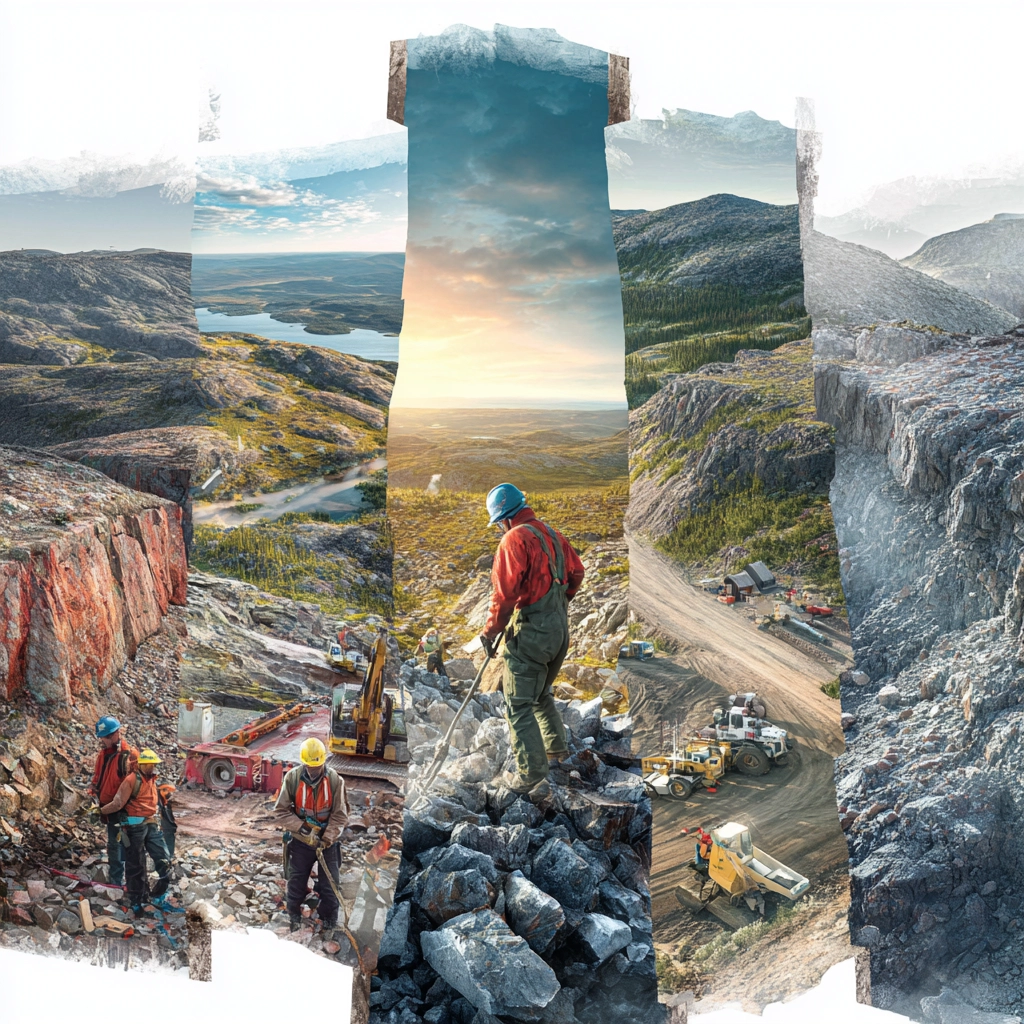
Canada has been a suitable destination for gold mining investment in 2026. There are several factors responsible for driving industry growth trends of gold mining in different regions of the country
Factors Driving Gold Industry Growth Trends
The following are the notable factors driving gold industry growth and industry trends in Canada in the current year:
Higher Gold Prices
Gold’s worth increases over time in most scenarios, especially during longer time spans. Even smaller or low-grade deposits become profitable for mining. This encourages companies to explore potential areas for gold exploration using modern technology and techniques for better outcomes.
Political Stability
Canada offers safe, stable political terms to gold explorers. The investors know that the rules for gold exploration will not change suddenly or dramatically. This leads to developing confidence among investors, making the country a hotspot for gold mining or panning activities and projects.
Government Support
The federal and provincial governments in Canada offer tax breaks and incentives for gold exploration. This puts low financial risk on mining companies, which encourages investors to keep exploring gold resources with government support following local provincial rules.
Green Mining Technology
New methods of mining using advanced technology have contributed to making mining activities less harmful for the environment. Commercial projects for gold exploration using green mining technology are easier to approve across Canada with minimal risks of penalties.
Final Thoughts
Knowing the advancements and special permits for gold exploration from provincial authorities, many people are searching for “Where can you find gold in Canada in 2026? Well, the answer depends on your residence or possibly a short distance or ease of travel to the designated places.
You can find gold across different regions in Canada, including Ontario, Quebec, British Columbia, Yukon, and the Northern Territories. Also, you can find gold in these places through commercial mining operations or recreational panning in rivers and streams, understanding local provincial regulations.
Canada offers safe and stable opportunities to find gold that might be worth more even if found in low-grade form due to high prices of gold across the world. However, whether for commercial or individual purposes, gold exploration methods must comply with Canada’s environment and safety regulations.
FAQs
Is it legal to pan for gold in Canada?
Yes, it is legal to pan for gold in most Canadian provinces. However, each province sets some local rules, like requiring special permits, licences, or use of tools that must be followed to avoid penalties upon violation.
Which rivers in Canada contain gold?
Some of the most famous gold-bearing rivers in Canada include:
1) Fraser River in British Columbia.
2) Indian River in Yukon.
3) Eldorado Creek in Ontario.
Can beginners still find gold today?
Yes, beginners can still find gold in recreational panning areas across Canada. However, you must read and understand the chosen area’s local provincial rules and permit or licence requirements before heading to any gold-bearing river, stream, or creek.
What tools are needed for gold panning?
Basic tools needed for gold panning include:
1) A pan (plastic or steel).
2) A shovel or trowel.
3) A classifier.
4) A snuffer bottle for collecting fine gold.
5) A small container for storage.
Which province has the most gold deposits?
In Canada:
1) Ontario is the largest gold-producing province, having the most gold deposits.
2) Quebec comes in second, and British Columbia is the third most significant producer.
Is gold mining still profitable in 2026?
Yes, gold mining is still profitable in Canada in 2026. Technology advancements, efficient operations, and stable policies in the country promote potential gold exploration activities.